
Simulation & Game Development
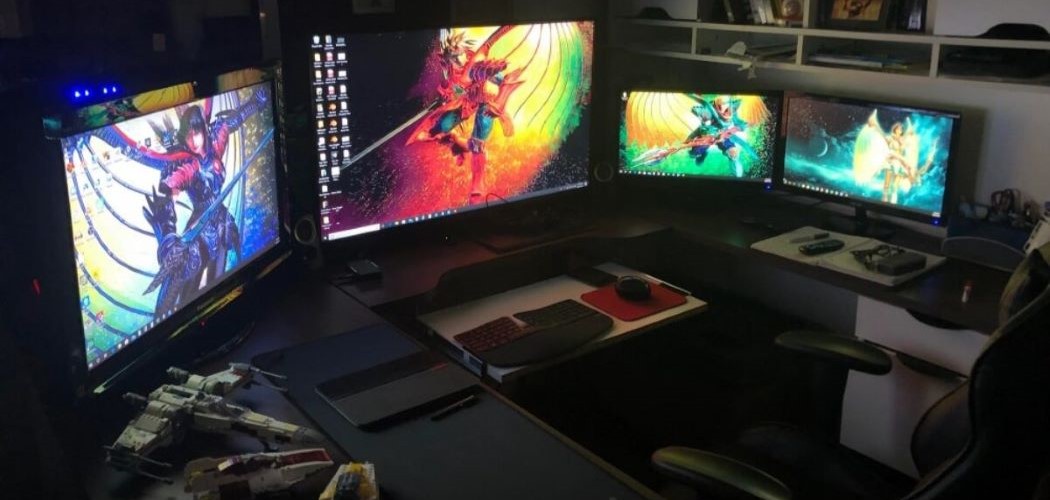
The Information Technology–Simulation and Game Development and Network Management (A25590SG) curriculum prepares graduates for employment in the technology sector as designers, testers, support technicians, system administrators, developers, or programmers who use computer software and\or hardware to design, process, implement and manage information systems in specialties such as simulation and game development, security, database services, business intelligence, healthcare informatics and others depending on the technical path selected within this curriculum.
Course work includes development of a student’s ability to create, store, communicate, exchange and use information to solve technical issues related to information support and services, simulation and game development, interactive media, network systems, programming and software development, information security and other emerging technologies based on the selected area of study.
Completion of the 4 courses (SGD 111, 112, 113, 114) will earn the student the Simulation & Game Development Certificate.



Career Options
Career opportunities in the field of simulation and game development include artistic, technical, and management positions. Jobs in this field may require artistic talent, computer programming skills, legal expertise, marketing skills, or nothing more than a love of video games. Three options include game designer, artist, and programmer.
According to O*NET OnLine, video game designers, grouped in a category for all other computer occupations, will experience 8% or higher growth from 2021-2031 (www.onetonline.org). PayScale.com reported that video game designers earned a median salary of $66,000 per year in February 2023.
Some companies to seek out
Epic Games – https://www.epicgames.com/site/en-US/careers
Positions
Game Designers
Game designers develop the concept for a game, including the characters and main idea. In this position, you may oversee the whole game or be responsible for only a small portion, such as a specific level or the game dialogue.
Artists
An artist is in charge of developing how the video game looks through sketches. As an artist, you may work on drawing and creating characters, background scenes, or interactive aspects of the game. In this field, computer design is very important since graphics in video games are expected to be as realistic as possible.
Programmers
As a video game programmer, you are responsible for the technical aspects of game development. You’re in charge of producing the game code that allows the program to be played. This job often requires you to have good math and problem-solving skills, along with the ability to communicate well with others. Depending on the type of studio you choose to work for, you may have to know C, C++, or Java programming languages or studio-specific scripting programs.
Other Career Options
There are many additional careers in this field, including lawyers, market analysts, producers, and translators.
Program of Study
Course work includes development of a student’s ability to create, store, communicate, exchange and use information to solve technical issues related to information support and services, simulation and game development, interactive media, network systems, programming and software development, information security and other emerging technologies based on the selected area of study.
Find more information about Information Technology (A25590SG) Simulation and Game Development and Network Management, AAS.
Courses
- SGD 111 – Introduction to SGD Credit Hours: 3
- This course provides students with an introduction to simulation and game development. Topics include setting, storytelling, narrative, character design, interface design, game play, internal economy, core mechanics, game genres, AI, the psychology of game design, and professionalism. Upon completion, students should be able to demonstrate knowledge of the major aspects of simulation and game design and development.
- SGD 112 – SGD Design Credit Hours: 3
- This course introduces the fundamentals of simulation and game design. Topics include industry standards and design elements for simulation and games. Upon completion, students should be able to design simple simulations and/or games.
- SGD 113 – SGD Programming Credit Hours: 3
- This course introduces the fundamentals of programming languages and tools employed in simulation and game development. Emphasis is placed on programming concepts used to create simulations and games. Upon completion, students should be able to program simple games and/or simulations.
- SGD 114 – 3D Modeling Credit Hours: 3
- This course introduces the tools required to create three-dimensional (3D) models. Emphasis is placed on exploring tools used to create 3D models. Upon completion, students should be able to create and animate 3D models using 3D modeling tools.
Completion of these 4 courses will earn the student the Simulation & Game Development Certificate.
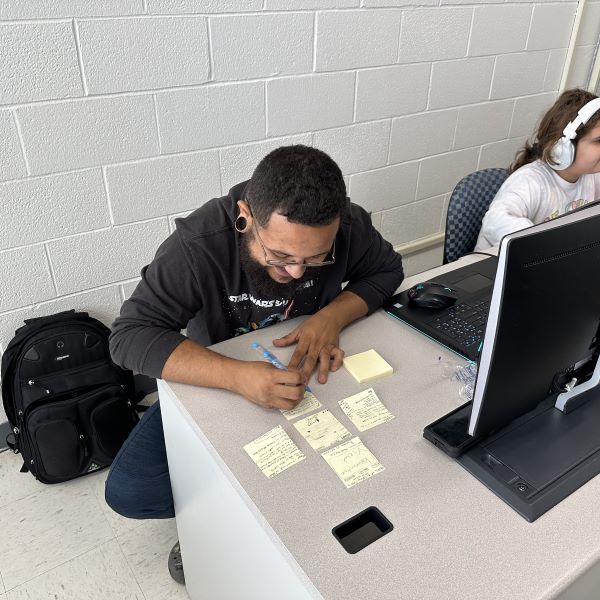
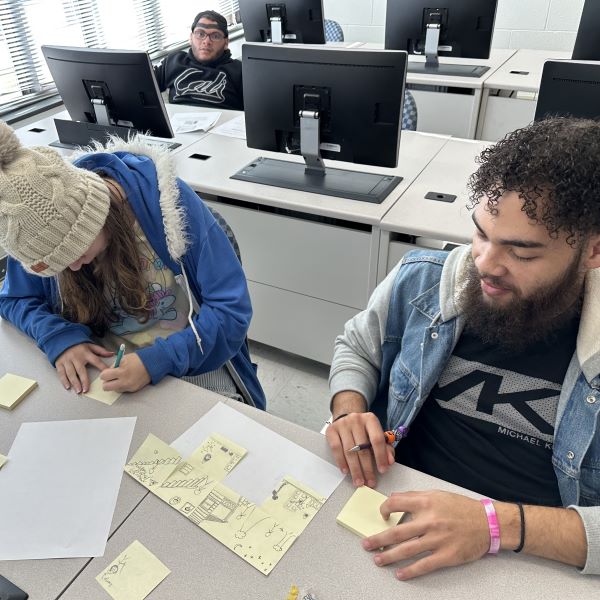
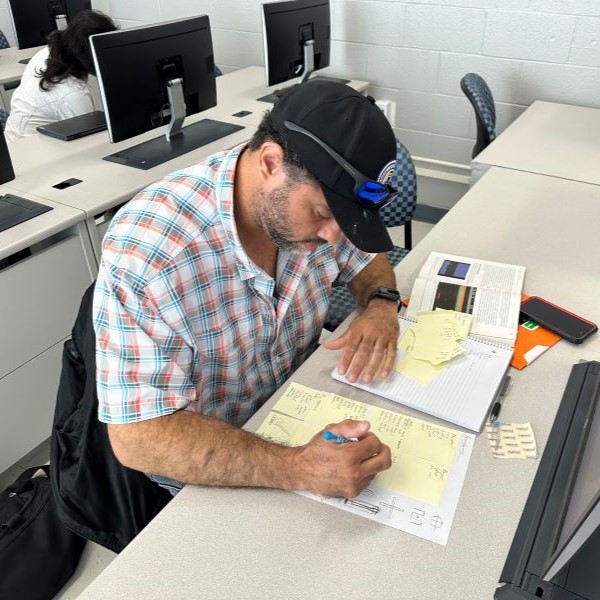
Video Game Level Design Assignment

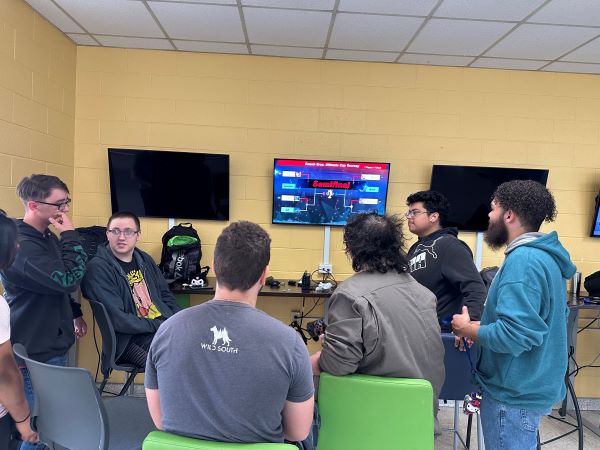
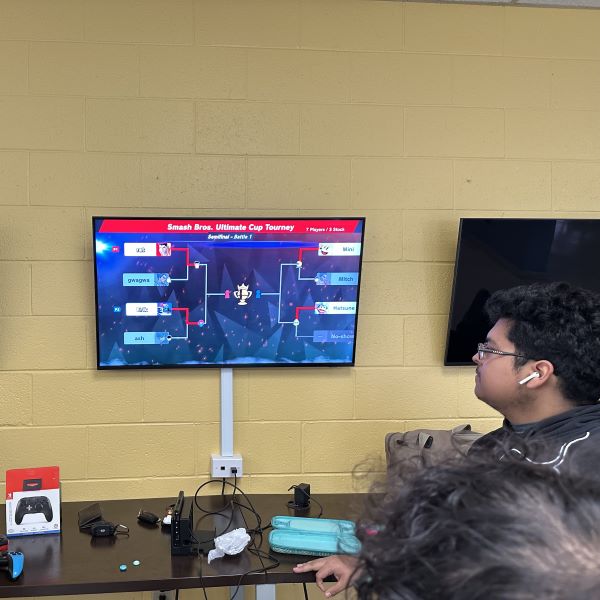
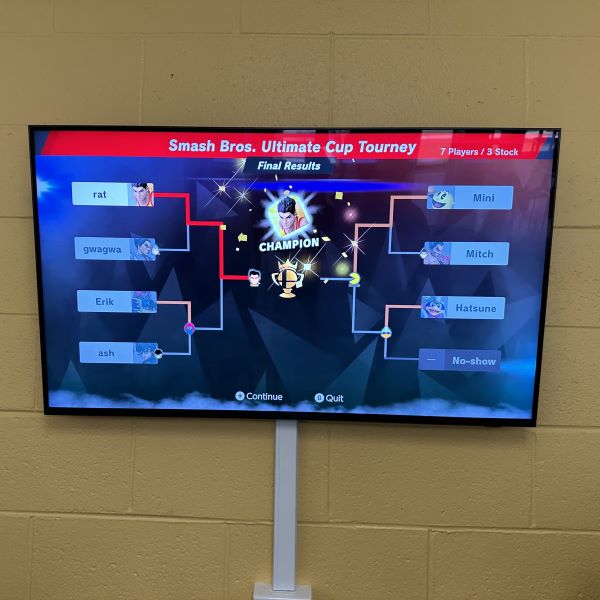
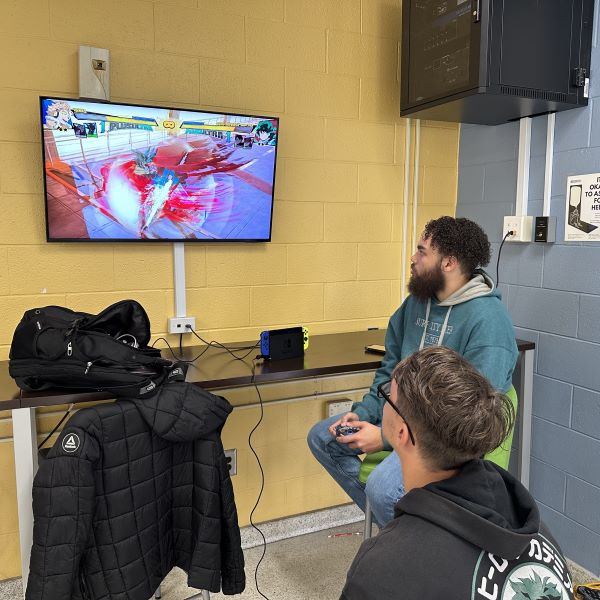
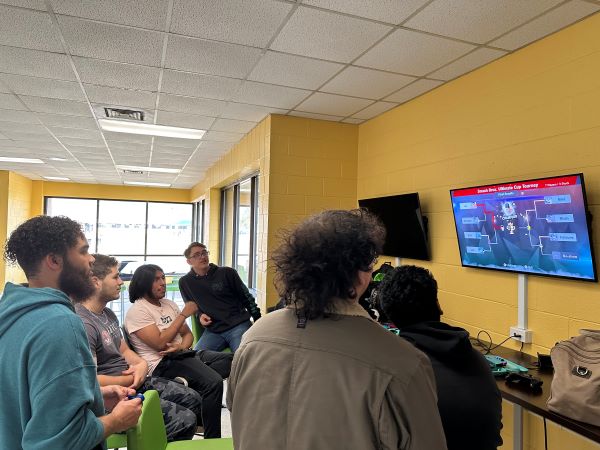
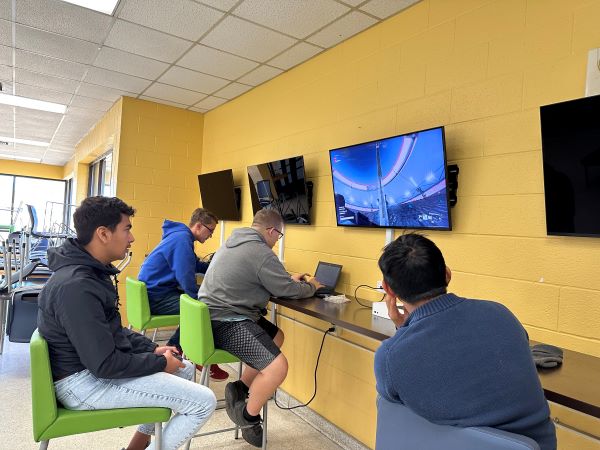
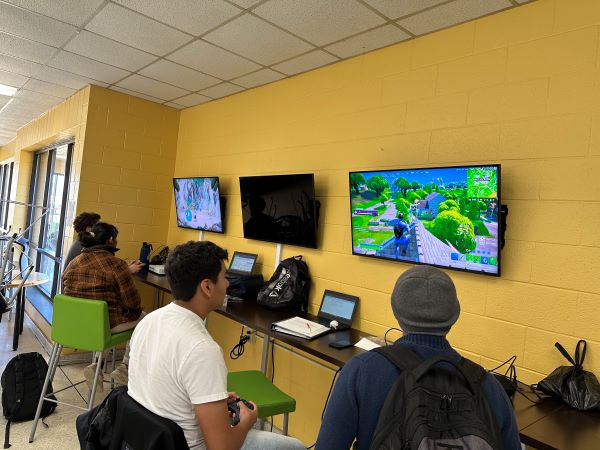
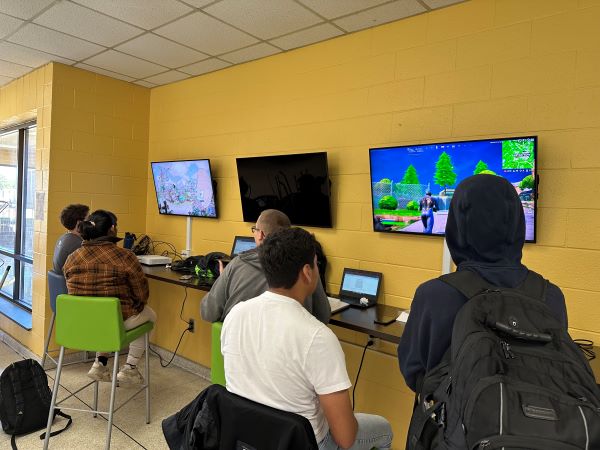
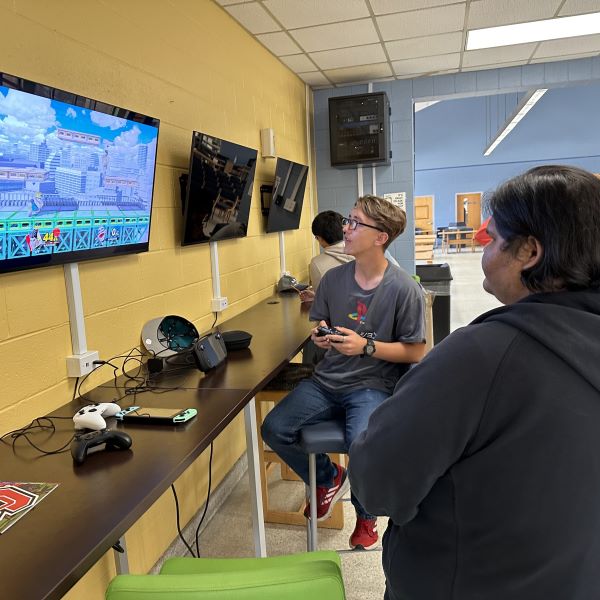
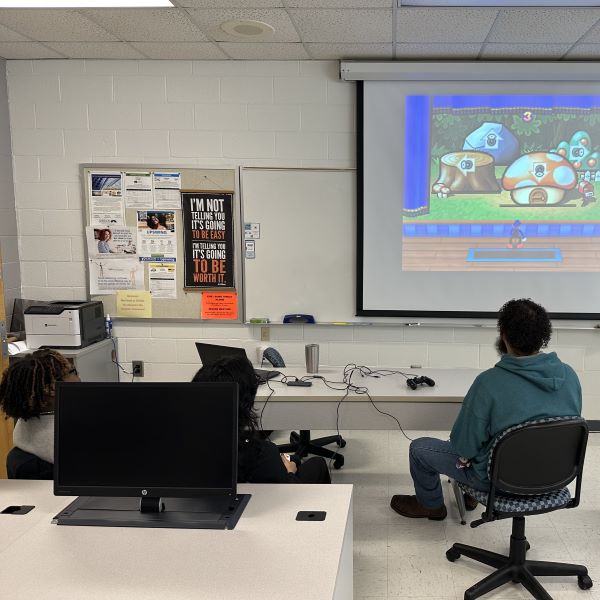
Video Game Day 2024
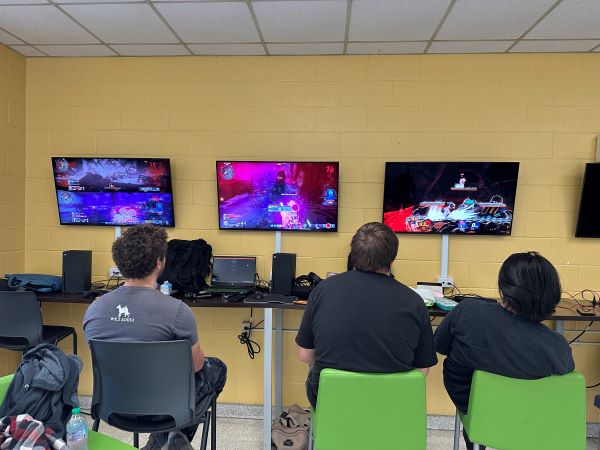
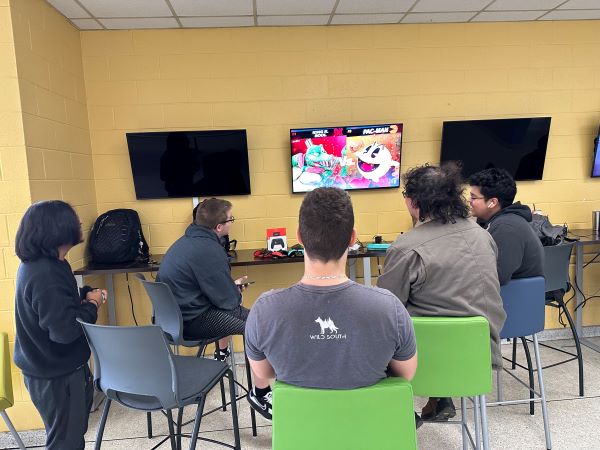

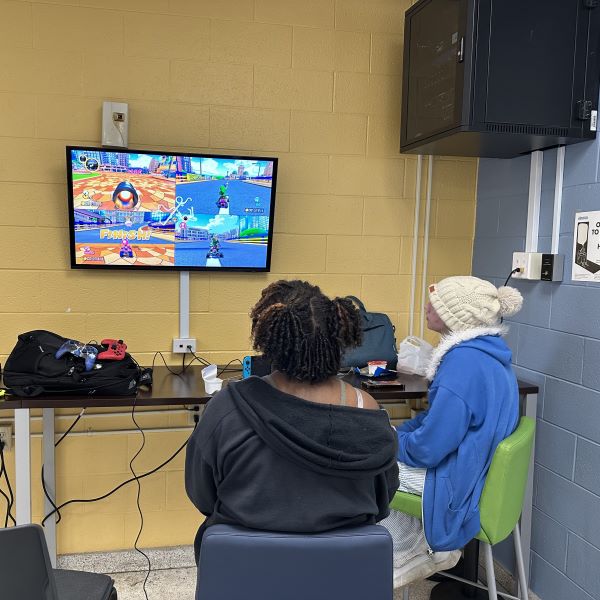
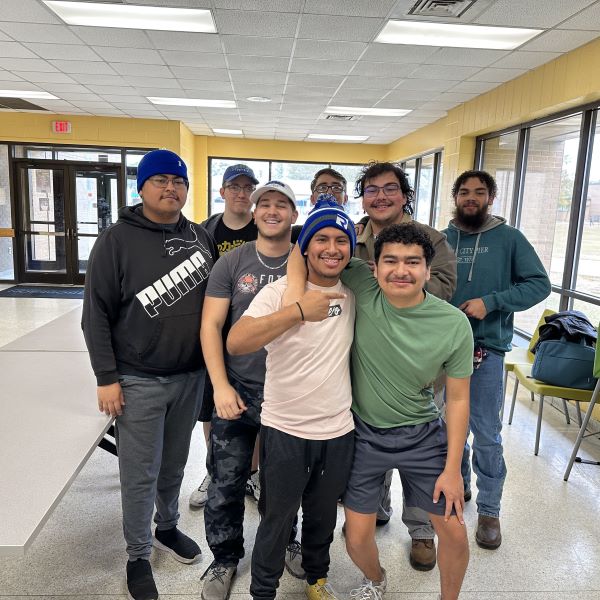
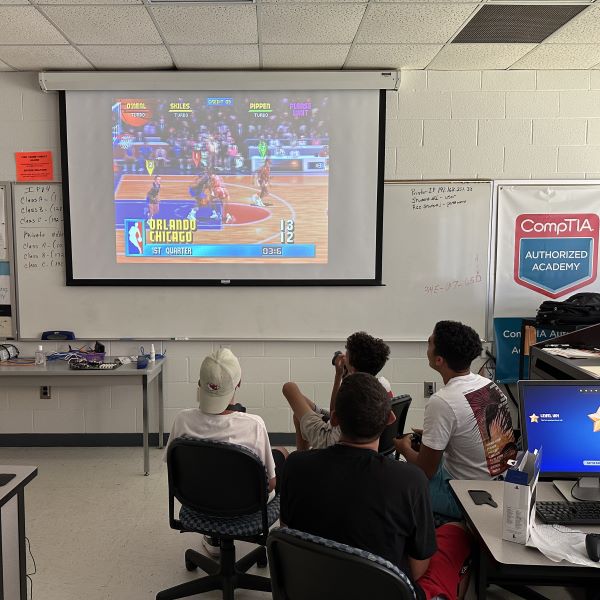
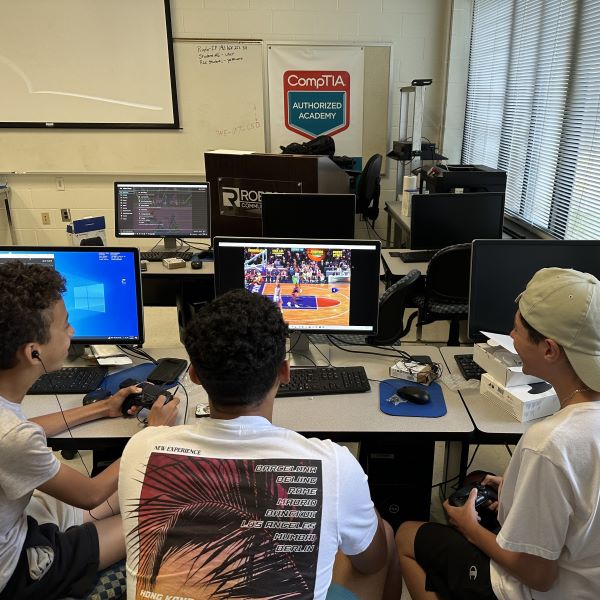
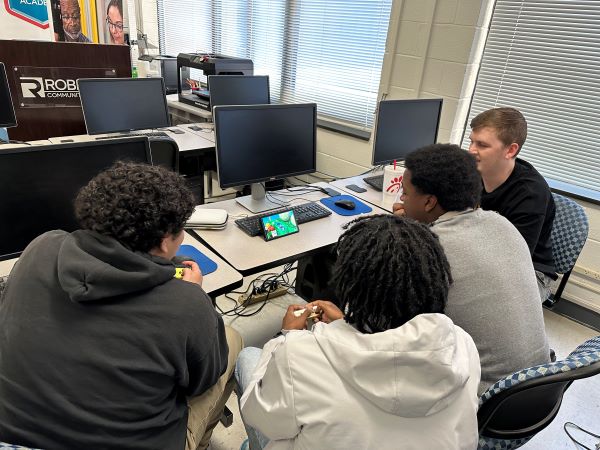
Video Game Summer Camp 2024
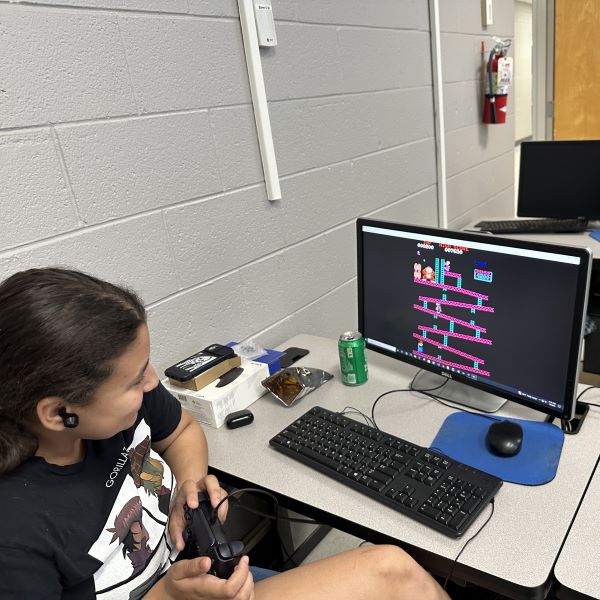
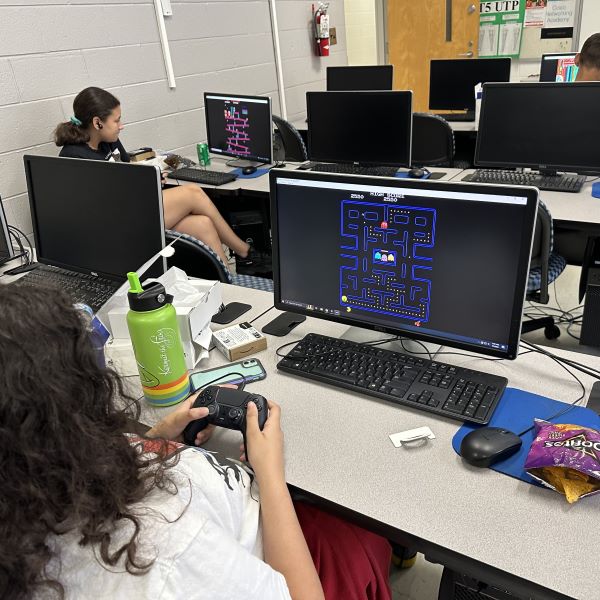
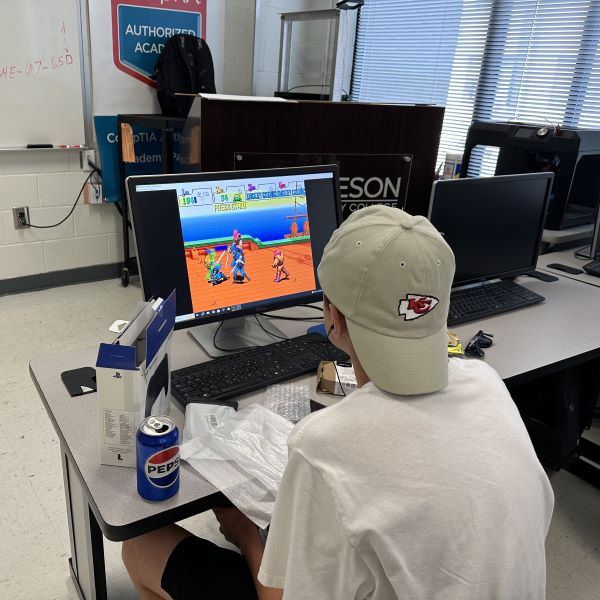
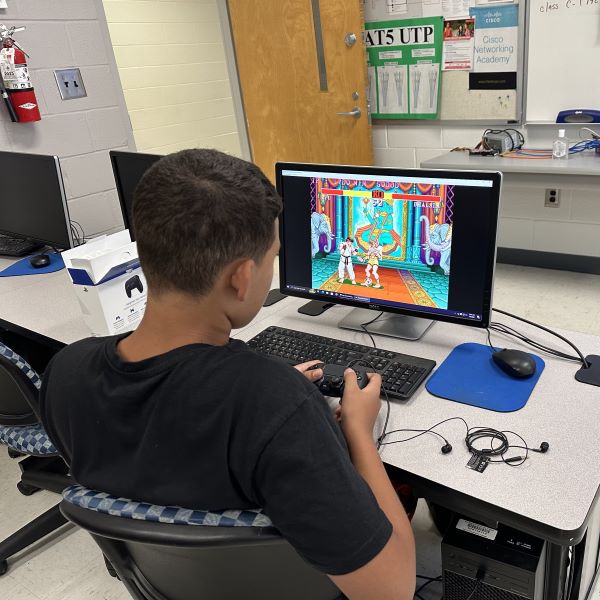
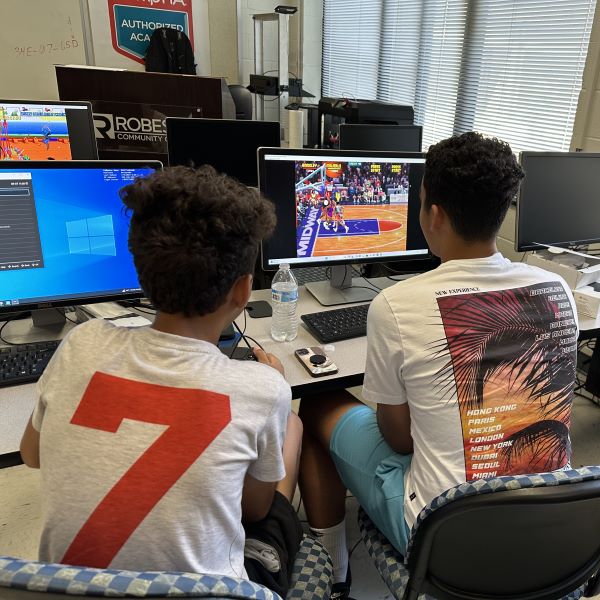
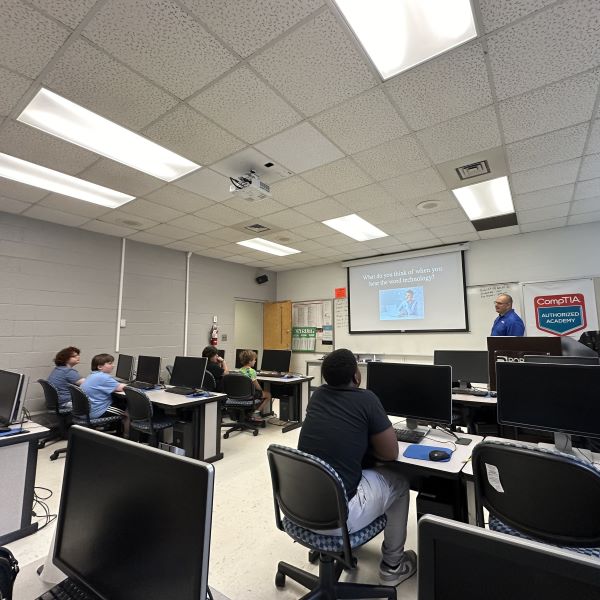
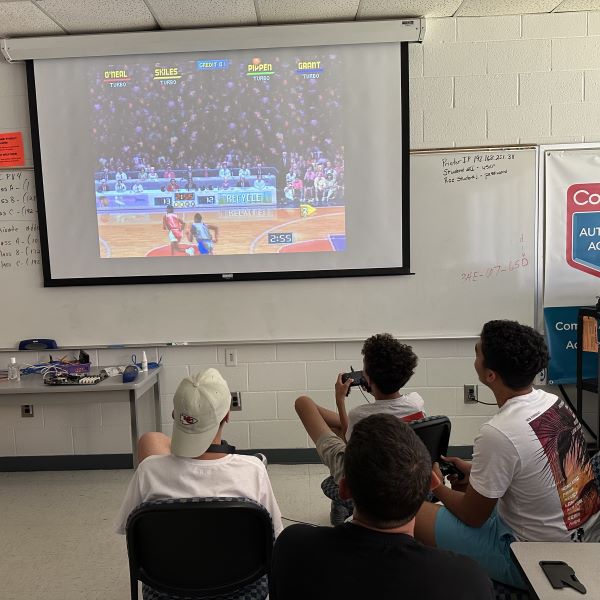
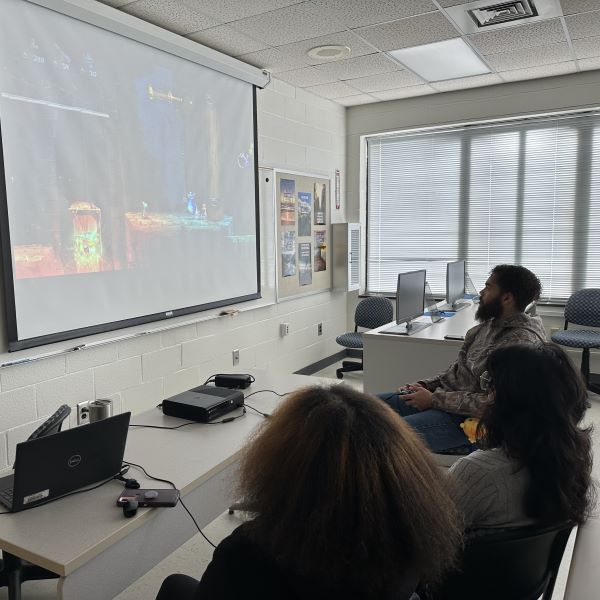
Video Game Day 2023
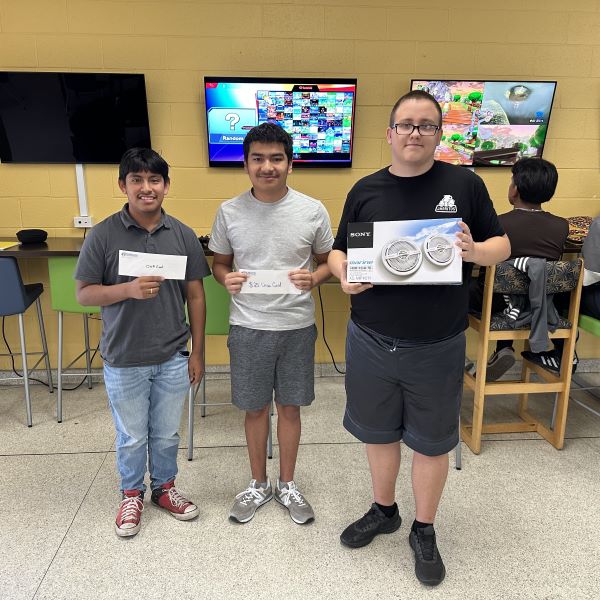
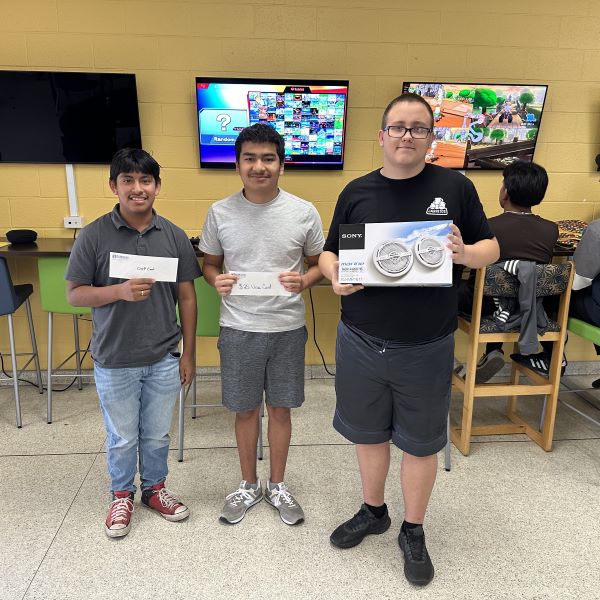
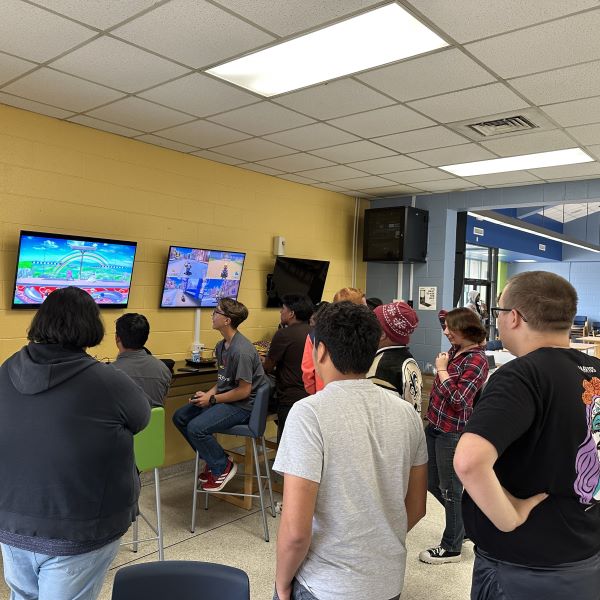
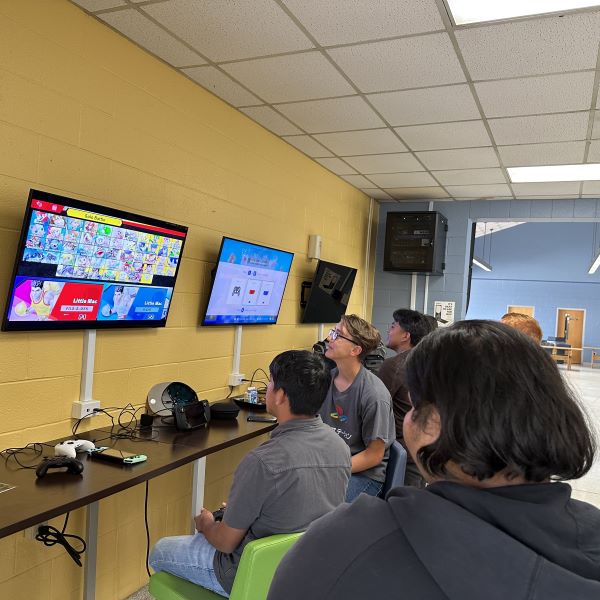
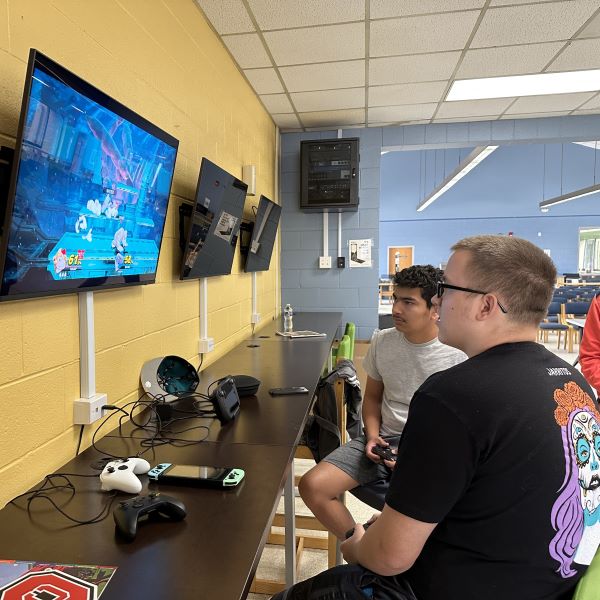
Assorted
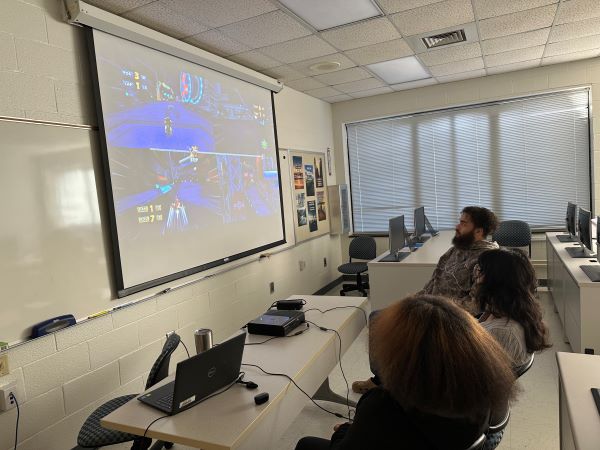
If you would like additional information about the Computer Information Technology program.

LOCKLEAR, SCOTTIE
Program Director, Business Technology
Building 14
Email: sclocklear@robeson.edu
Phone: (910) 272-3387

Business Technologies
Accounting
Business Administration
Information Technology
Medical Office Administration
Simulation & Game Development
Programs of Study
Program Specific Links
CompTIA
Microsoft Technology Associate (MTA)
Cisco Networking Academy
Construct
Blender